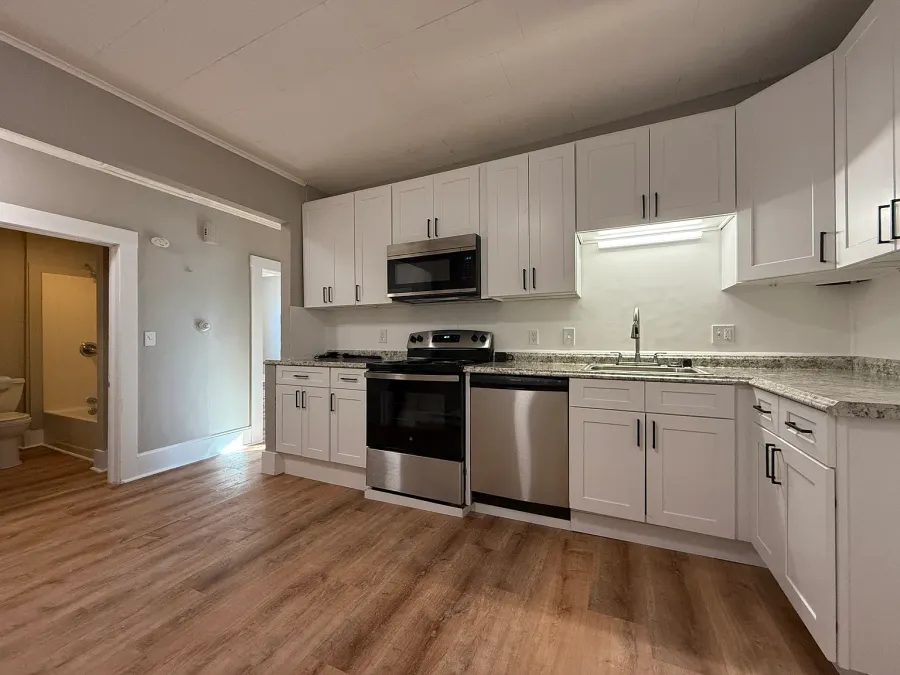
Forced appreciation is the engine you control: buy where the numbers work, improve the right things, and make the building worth more on purpose. This mixed-use property in Keene is what that looks like when the renovation list is chosen by return, not by taste.
Every renovation dollar had a job
The $30,000 didn’t go everywhere — it went where value lives. A new kitchen, because kitchens rent units. An added bedroom, because bedroom count is the single biggest lever on both rent and resale in a small-market property. The result: roughly $80,000 of new value from $30,000 of work, before counting the stronger rent roll.
The tax move most buyers skip
A cost segregation study let components of the building depreciate on faster schedules — bigger deductions, sooner, against the property’s income. It’s the kind of move that sounds like homework and quietly returns thousands; on a mixed-use building, with commercial components, it’s especially worth running. (Chapter 6 of our Field Guide covers it in plain English.)
The lesson for your next deal
Value-add isn’t about renovating a lot — it’s about renovating right. Price the work before you offer, choose line items by return, and treat the tax strategy as part of the deal, not an afterthought in April.